
Is Sim Racing a Good Alternative to Real Karting?
Yes, sim racing is a very good alternative for training, preparation and regular practice, but it is not a complete replacement for real karting.
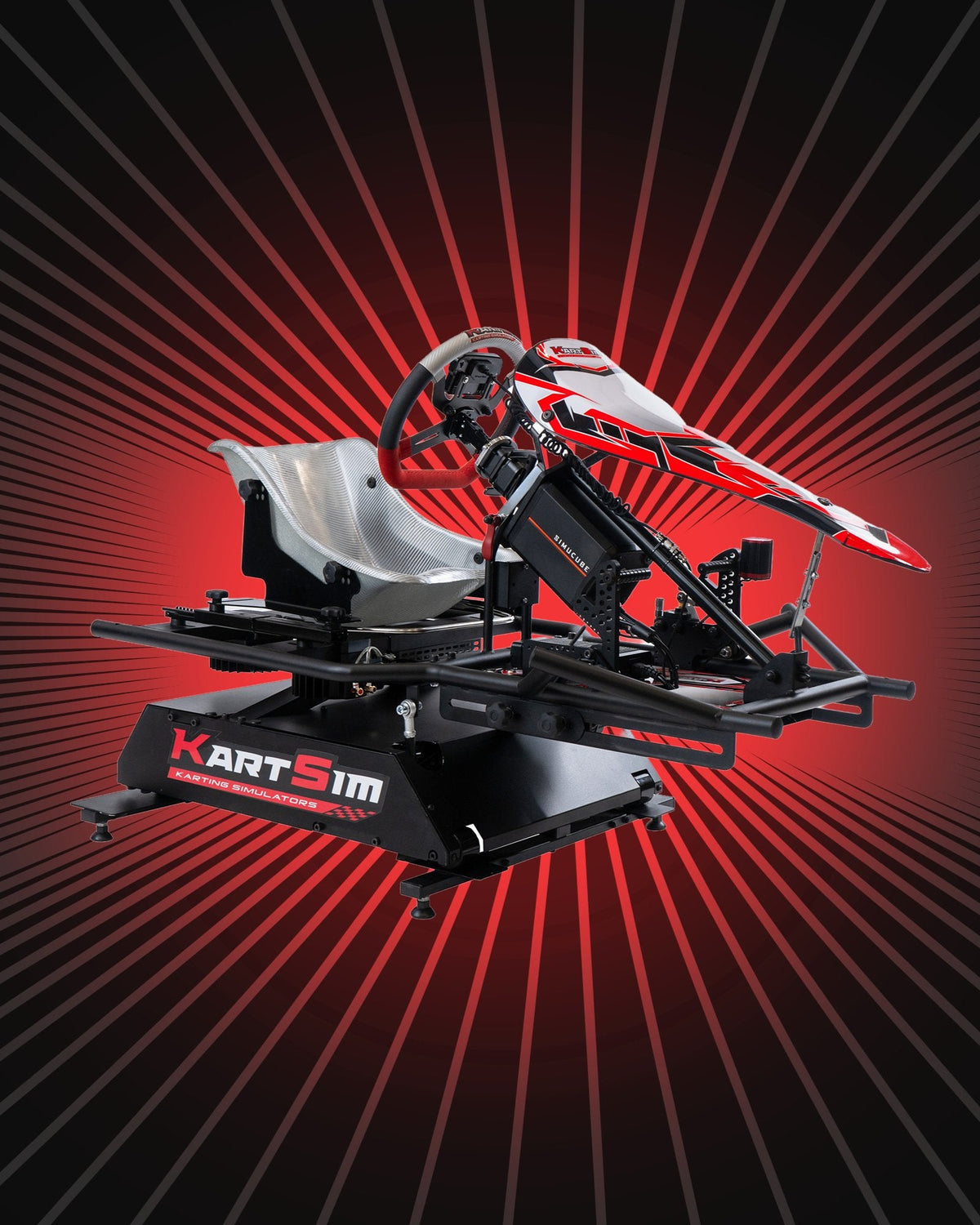
A realistic kart simulator gives drivers more opportunities to practise without the cost of tyres, fuel, travel, engine wear or track hire. That makes it especially useful between race weekends, when drivers need to stay sharp, learn new circuits or work on specific weaknesses.
For serious kart drivers, the real question is not whether sim racing is better than real karting. The question is how to use both properly.
What Sim Racing Is Best For
Sim racing is excellent for repetition. Drivers can practise the same corner hundreds of times, test different lines, improve braking accuracy and build consistency without wasting real track time.
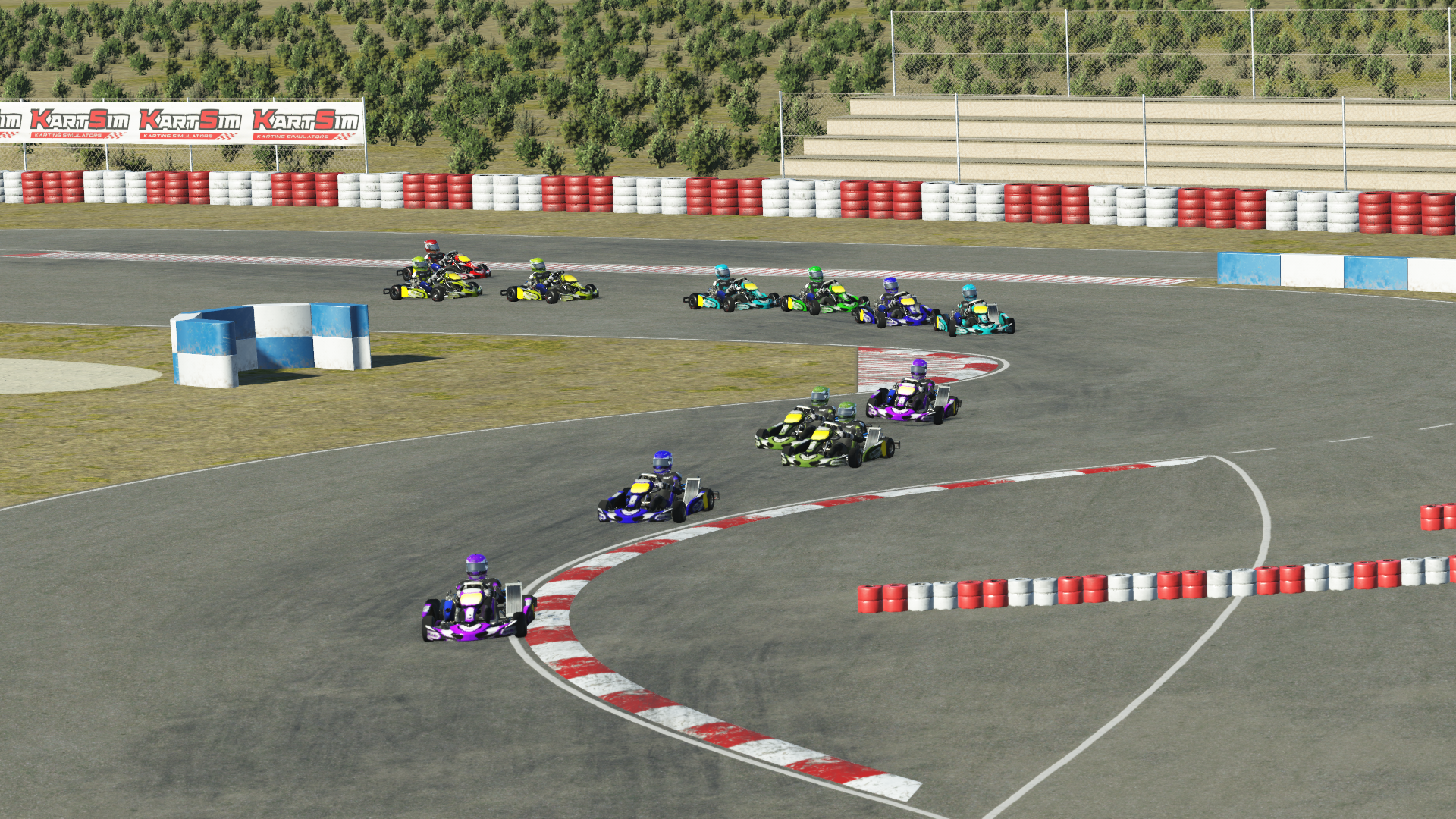
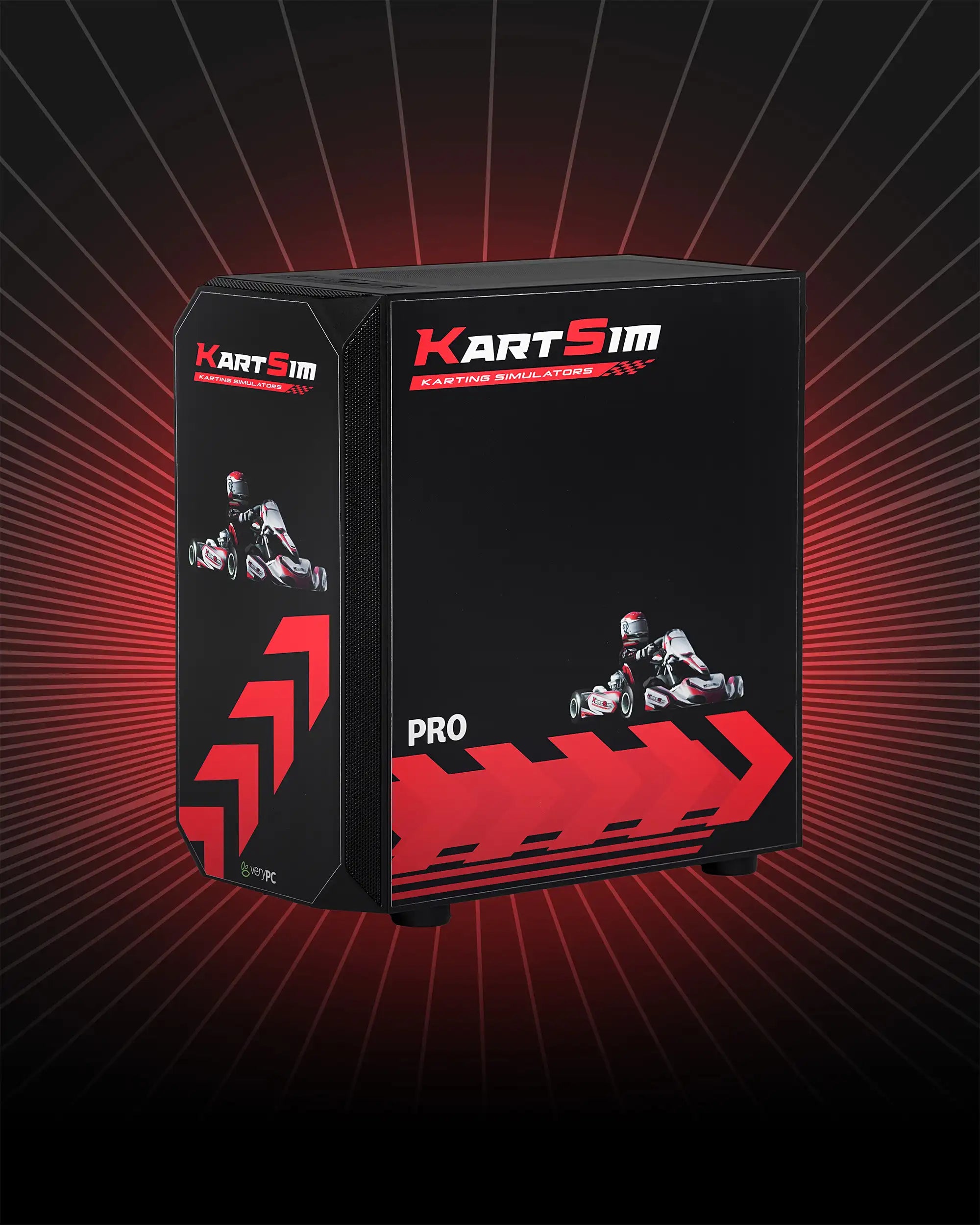
With KartSim Pro Software, drivers can train on laser-scanned circuits with realistic kart physics, rFactor2 karting behaviour and detailed track models. This helps drivers understand circuit layout, kerbs, braking zones, overtaking areas and rhythm before they arrive at the real track.
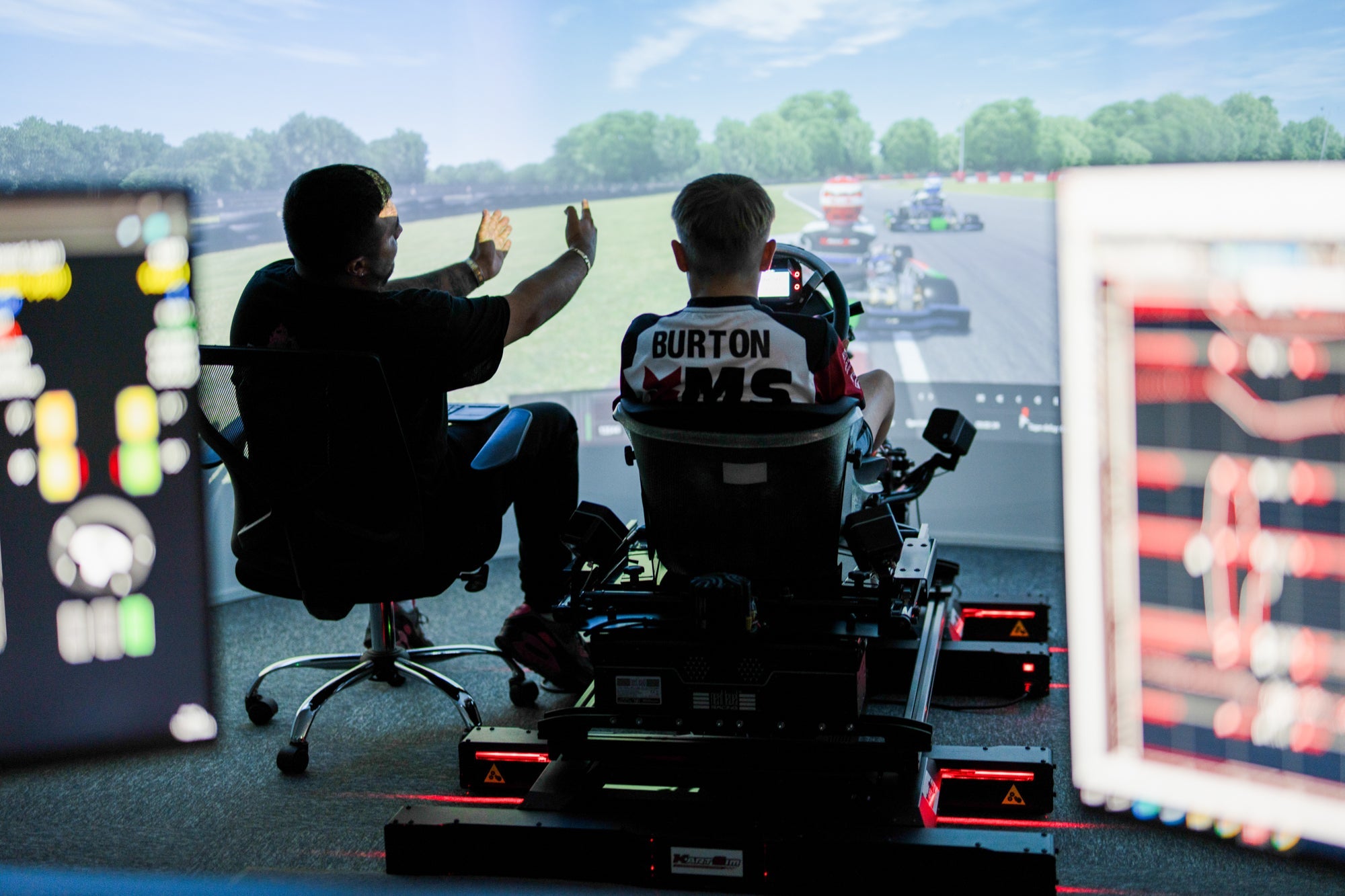
Simulator training is also valuable for racecraft. Drivers can practise overtaking, defending, starts, qualifying laps and pressure situations in a controlled environment. When combined with KartSim driver coaching and telemetry analysis, it becomes a structured training tool rather than just extra seat time.
What Real Karting Still Does Better
Real karting teaches things a simulator cannot fully recreate. Drivers still need to feel real grip, tyre temperature, changing weather, vibration, kerbs, bumps, kart balance, fatigue and the physical intensity of racing.
There is also the race weekend environment. Drivers need to learn how to deal with paddock pressure, mechanics, setup decisions, scrutineering, changing track conditions and real consequences when they make a mistake.
A simulator can prepare the mind and technique. Real karting proves whether that training works under real conditions.
Sim Racing vs Real Karting for Skill Development
| Skill Area | Sim Racing | Real Karting |
|---|---|---|
| Learning circuits | Excellent | Excellent |
| Repeating specific corners | Excellent | Limited by cost and track time |
| Braking points and racing lines | Excellent | Essential for final validation |
| Racecraft and decision-making | Very strong | Essential under real pressure |
| Physical feel and G-force | Limited | Essential |
| Weather and grip changes | Limited | Essential |
| Cost-effective practice | Excellent | More expensive |
| Driver coaching and telemetry | Excellent | Excellent |
The Best Approach: Use Both
Sim racing is not a replacement for real karting, but it can make real karting more effective.
Drivers who arrive at the circuit already knowing the layout, braking points and race lines can spend more time refining performance instead of learning the basics. That means better use of test days, less wasted track time and faster development.
For drivers on a limited budget, simulator training can also help reduce unnecessary testing. For drivers competing at a higher level, it provides extra practice between events and a way to analyse technique in detail.
Final Answer
Sim racing is a good alternative to real karting for practice, preparation and skill development, but it should not be treated as a full replacement.
The most effective drivers use sim racing to prepare, learn and improve, then use real karting to test those skills in physical, competitive conditions. With KartSim Pro Software, realistic kart simulators, telemetry and professional coaching, drivers can build a stronger training routine and make every real-world lap count.



Condividere:
How Much Does Professional Karting Cost?
Cheapest Ways to Start Racing Competitively